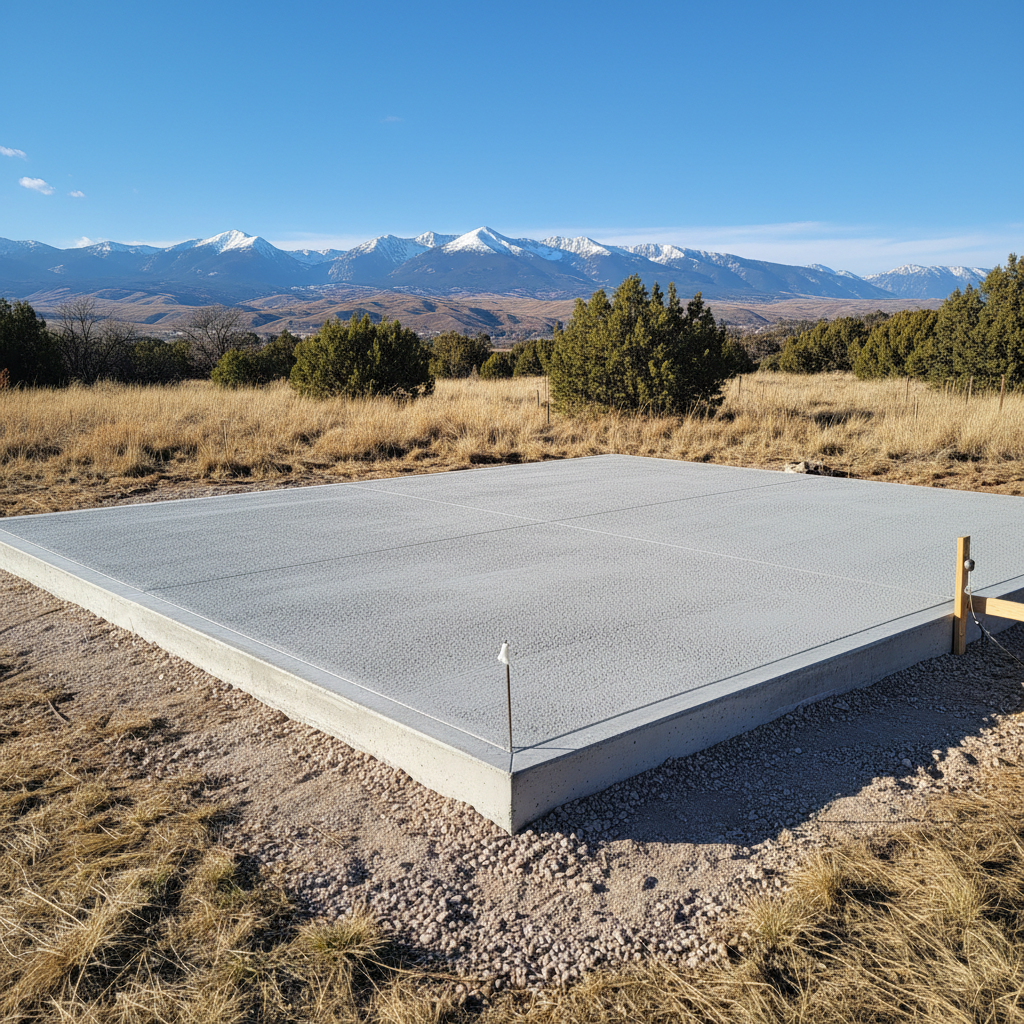
Alright, let's talk about shed foundations. Everyone usually gets super excited about the shed itself – the size, the siding, the windows, all that fun stuff. But if you try to cut corners on the foundation, you're basically building on sand, and I mean that literally. A good, solid foundation is what stops your shed from sinking, shifting, or rotting out from underneath. It's really the backbone of the whole thing, and honestly, it's where a lot of people mess up.
Before You Dig: Planning Your Shed Foundation
First things first, you've got to know what kind of ground you're building on. Here in Fort Collins, we've got some interesting soil, for sure. Especially if you're in an older neighborhood, like say, Parkwood, or maybe down by the river, you might run into expansive clay soils. That stuff moves around a lot with moisture, and if your foundation isn't designed for it, you're just asking for trouble. So, before you even think about buying materials, figure out your site.
- Permits: Give the City of Fort Collins a call. For smaller sheds (usually under 200 sq ft), you might not need a building permit, but there are still setback rules about how close you can be to property lines and other structures. Don't just assume; pick up the phone.
- Drainage: Take a good look at how water moves through your yard. You want your shed foundation to be on the higher ground, not sitting in a low spot where water collects. Good drainage around the foundation is super important for avoiding moisture problems.
- Shed Type & Size: This will totally dictate your foundation. A small 6x8 garden shed needs something different than a big 12x24 workshop. The heavier the shed and its contents, the sturdier the foundation has to be.
- Accessibility: Can you easily get materials and equipment to the spot? If you're going to be lugging bags of concrete mix across a perfectly manicured lawn, that's something to think about for your plan — and your back.
For most residential sheds, you'll probably be looking at a few common foundation types: concrete blocks on gravel, a gravel pad, or a concrete slab. Each one has its good points and bad points, and what's right for you really depends on your shed, your budget, and how comfortable you are with DIY projects.
During the Build: DIY vs. Calling a Pro
This is where things get real. Some parts of foundation work are totally something a handy homeowner can do; others, well, you might want to hand off to the pros.
Gravel Pad or Concrete Blocks on Gravel
This is often the most DIY-friendly choice for smaller to medium-sized sheds (think up to about 10x12 or 10x16). You're basically making a level, well-drained base.
- DIY Steps: You'll need to dig out the area, put down a weed barrier, build a perimeter frame (usually out of treated lumber), fill it with compacted gravel, and then place your concrete blocks (if you're using them) perfectly level. Compacting that gravel is absolutely critical – rent a plate compactor, don't just stomp on it, okay?
- When to Call a Pro: If your yard has a big slope, or if you're dealing with really tricky soil conditions, getting that pad perfectly level and stable can be a huge headache. A professional can bring in the right equipment and know-how to handle grading and compaction efficiently.
Concrete Slab Foundation
For bigger sheds, workshops, or anything that will hold heavy equipment, a concrete slab is definitely the way to go. It gives you the most stable, durable, and pest-resistant base.
- DIY Steps: This is a much bigger project. We're talking about excavating, building a formwork, laying down a vapor barrier and rebar or mesh, and then pouring and finishing the concrete. Getting a slab perfectly level, smooth, and sloped just right for drainage is truly an art form.
- When to Call a Pro: Honestly, for most homeowners, pouring a concrete slab is best left to the experts. Concrete is pretty unforgiving. If you mess up the pour or the finish, it's a huge, expensive problem to fix. Plus, it's really heavy work, needs specialized tools, and you're racing against the clock once the truck shows up. If you're getting a custom shed from us at Fort Collins Custom Sheds, we can certainly advise on slab requirements or even handle that part of the project for you.
After the Foundation: What's Next?
Once your foundation is in and cured (give concrete at least 7 days before putting significant weight on it, though 28 days for full strength is ideal), you're ready for the shed itself. But you're not quite done yet.
- Drainage Check: Walk around your shed after a good rain. Is water pooling anywhere near the foundation? If so, you might need to add some extra grading, French drains, or extend your gutters to direct water away.
- Maintenance: Keep an eye on the area around your foundation. Clear away leaves, dirt, or anything that could trap moisture against the base of your shed. Trim back plants that are too close.
- Level Check: Every couple of years, especially if you have those expansive soils, check your shed's level. A simple level on the floor inside will tell you if anything has shifted. For gravel or block foundations, you might be able to re-level a bit. For slabs, if it's shifting, you've got a bigger issue that needs professional assessment.
Building a shed foundation isn't the most glamorous part of the project, but it's absolutely the most important. Do it right the first time, and your shed will serve you well for decades. Cut corners, and you'll be fixing problems for years to come. Think ahead, plan smart, and don't be afraid to call in help for the parts that are beyond your comfort zone.